 VBIT Hong Kong


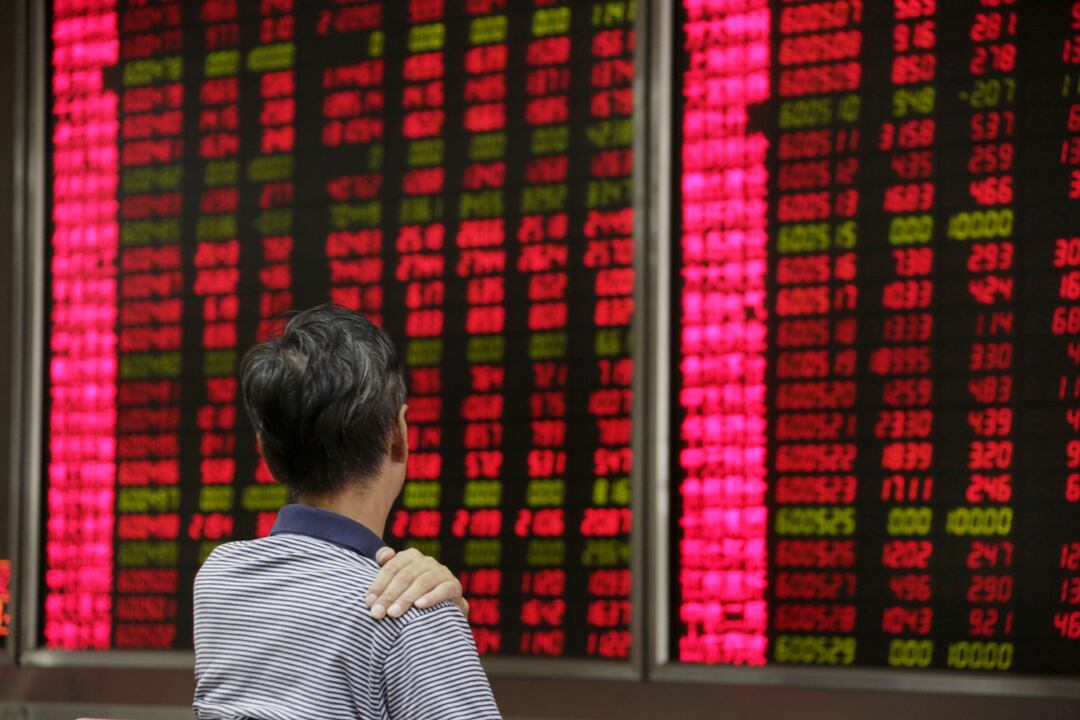
On Monday, 5 August 2024, weak US employment data fuelled recession fears and a sharp sell-off in global equities. Japanese shares extended the previous week’s losses. The Nikkei 225 fell more than 7% in morning trading and closed 12.40% lower; futures trading also triggered circuit breakers.
1. An overview of market turmoil
The Nikkei 225 fell as much as 7.1% on Monday morning and was down 7.4% during afternoon trading, taking its cumulative decline since early July to 22%. The TOPIX and Nikkei 225 recorded steep losses for three consecutive trading days, formally entering bear-market territory, defined as a 20% decline from recent highs.
2. Black Monday strikes Japanese equities
Japanese stocks suffered a Black Monday as the Nikkei 225 closed down 4,451.28 points, or 12.40%, at 31,458.42, its largest single-day point decline on record. The TOPIX also plunged 310.45 points, or 12.23%, to 2,227.15.
3. Global market reactions
The European market snapshot reported at the time also showed sharp losses. Germany's DAX fell 2.5% to 17,222.69, the CAC 40 in Paris declined 2.4% to 7,080.96, and London's FTSE 100 lost 2% to 8,011.52.
The outlook for early US trading was similarly bleak. Dow Jones Industrial Average futures fell about 600 points, or 1.5%, while S&P 500 and Nasdaq 100 futures declined 2.8% and 4.9%, respectively.
According to Nikkei reporting, Nikkei futures on the Osaka Exchange triggered a circuit breaker at about 13:30 local time after falling 8%, temporarily halting trading. Trading resumed but another circuit breaker was triggered at around 14:30 amid heavy selling pressure.
4. The factors behind the market moves
The Nikkei closed 5.8% lower the previous Friday, its biggest single-day decline since March 2020, driven mainly by expectations of further Bank of Japan rate increases and a stronger yen. Markets broadly viewed the bank's July rate rise as pushing up the yen and hurting Japanese exporters. Both the TOPIX and Nikkei 225 fell sharply for three consecutive trading days following the Bank of Japan's 31 July rate increase.
5. Other Asian markets also under pressure
Other Asian markets were not spared. South Korea's KOSPI fell more than 8%, its biggest single-day decline since 24 October 2008, and triggered its first circuit breaker in four years. Trading was suspended for 20 minutes from 14:14 Seoul time. The small-cap Kosdaq declined 11.71%.
This historical episode illustrates how markets can move together: employment data, interest-rate expectations and exchange-rate changes can accompany sharp swings in equities.
Historical sources: Nikkei 225 data for 5 August 2024
